


When the Reading Says No: The Ethics Real Readers Learn
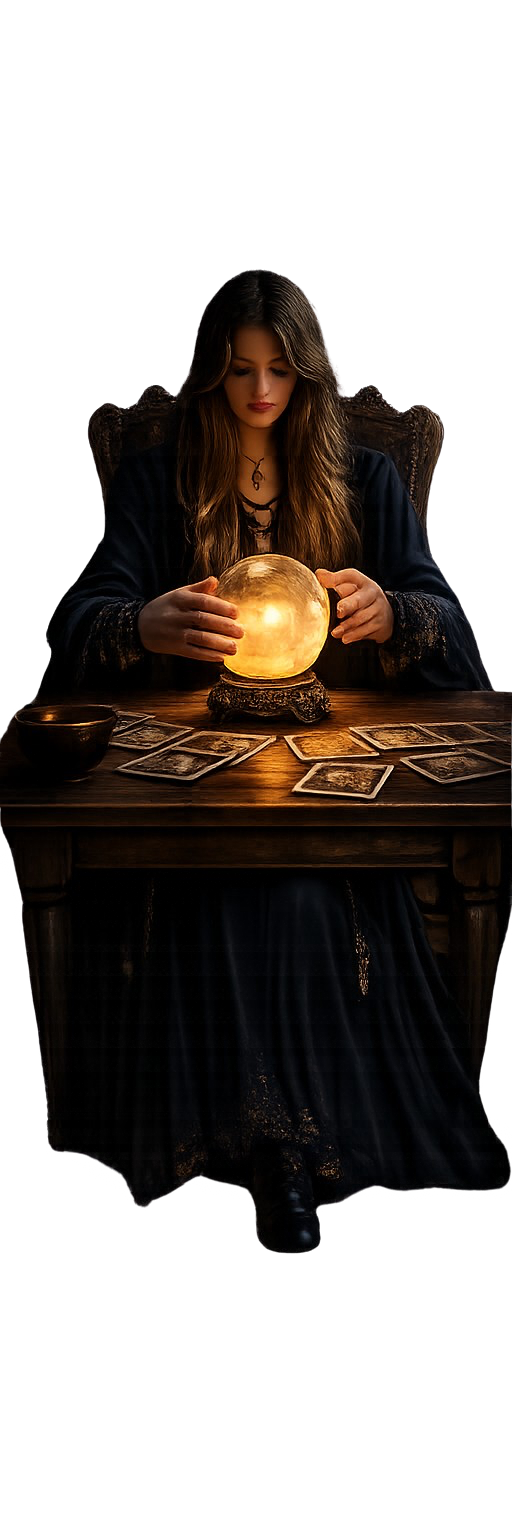
The oldest skill in every divination craft is knowing when to refuse: what the traditions forbid, why the confident reader is the dangerous one, and how to stop with care.
Everything else in this library has been about how to read. This one is about the harder skill, the one that separates a craftsperson from a performer: knowing when not to. Every serious divination tradition has a doctrine of refusal, and it is not squeamishness. It is the discipline that keeps the whole practice honest — the load-bearing wall behind every other room.
What the traditions actually forbid
The prohibitions are old, specific, and strikingly consistent across crafts that never met. You do not read for someone in fresh grief or acute fear — the cup, the cards, the chart will only mirror the storm back to them, and a person drowning does not need a photograph of the water. You do not answer questions about a third person's private heart or hidden acts; that is surveillance, and the coffee tradition, the tarot tradition and the rules of horary astrology all draw the same line, as we traced in How to Ask About Love. You do not deliver a fixed death or a doomed diagnosis — no lineage of palmistry ever read lifespan in a line, a myth we dismantled in Hands Change. And you do not answer the same question asked twice in desperation; the classical horary rule that a repeated question is not yet ripe is really a rule about the asker's readiness, not the stars'.
Why the confident reader is the dangerous one
Here is the counterintuitive core, and every seasoned practitioner arrives at it: the reader you should trust least is the one who is never uncertain. A frightened person hands a reader enormous, temporary power — and the entire ethical weight of the craft rests on not using it. The reader who always has a definite answer, who never says 'this is beyond what a cup can tell,' who can locate a precise catastrophe in any spread, is not gifted; they are unsupervised. The traditions guard against exactly this with the doctrine of the humble instrument: the cup remembers attention, the cards hold up a mirror, the chart describes weather — none of them issues verdicts, and a reader who speaks as if they do has quietly promoted themselves from interpreter to oracle. We made the same case about a symbol that explains everything in Mercury Is Not Your Enemy: it explains nothing.
The two questions before every reading
Long-practiced readers run a silent checklist before they turn a single card. First: can this person bear any answer right now? If the honest answer is no — if they are in the acute hours of a loss, or asking from the floor of a panic — the reading is postponed, not performed. Postponement is not refusal of care; it is care. Second: is this mine to read? If the question is really about someone not in the room, the craft's move is to turn it, gently, back toward the only person present, or to decline. These two questions are the same discernment we examined in The Quiet Sense — the calm sense that knows the difference between a true prompting and an anxious one, applied by the reader to their own willingness to speak.
How to say no with care
Refusal done badly is its own cruelty; the craft has a manner for it. You never refuse coldly or make a person feel their question was shameful — most 'forbidden' questions are just love or fear in the wrong grammar, and they deserve tenderness. You name what you can offer instead: not will he come back, but what is this longing asking of you; not when will I die, but how do you want to inhabit the life you have. You return the person to their own agency, larger than the question they walked in with. This is the same turn we described for the Tower — demolition by choice keeps the foundations, as we wrote in The Tower Is a Mercy. A reading refused well can be more healing than a reading performed.
The reader's real vocation
All of it points to a truth the traditions state plainly and the marketplace forgets: the diviner's job was never to know the future. It was to help a person meet the present with less fear and more clarity. Every genuine craft in this library — the slow cup, the daily card, the honest chart, the witnessing page — is finally a technology of attention, not prophecy. And the highest expression of that craft is not the dazzling reading that leaves a person dependent. It is the moment a real reader looks at a frightened face and says, gently, not this, not now — but let me sit with you while you find the question you actually need to ask. That refusal is the craft's deepest yes.
The library teaches the craft. A reading applies it to you.
Get your personal reading